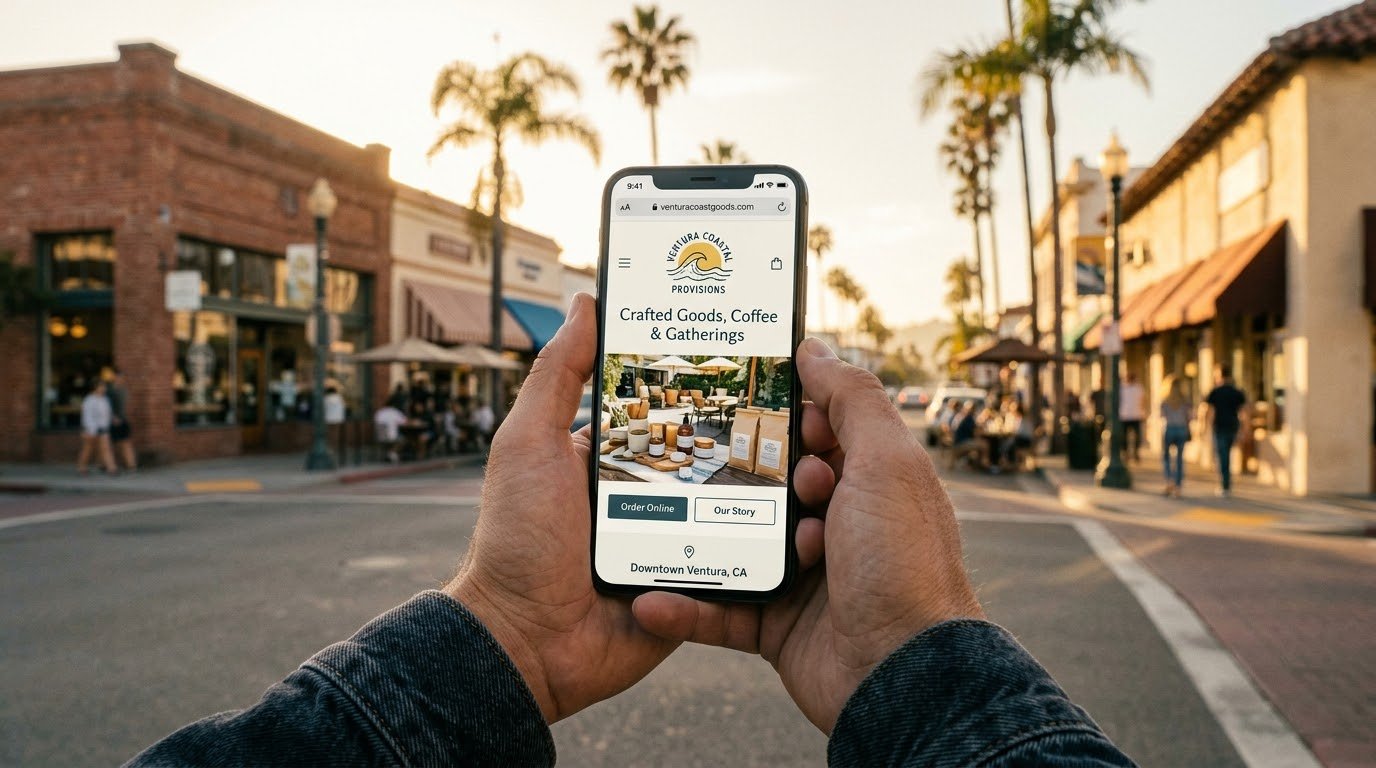
If you run a small business anywhere from Thousand Oaks to Ventura, you have probably heard every possible pitch about websites. Some say you can build one yourself over a weekend. Others quote a number that sounds like a down payment and a timeline that sounds like a semester. Neither one tells you what you actually get.
This guide is about what you should expect from a custom website in Ventura County. It covers the first conversation, the build, the launch, and the part most people forget, which is everything after launch. We have built more than 111 websites, and the businesses that get the most out of their sites tend to know these things going in.
It Starts With Your Goals, Not a Template
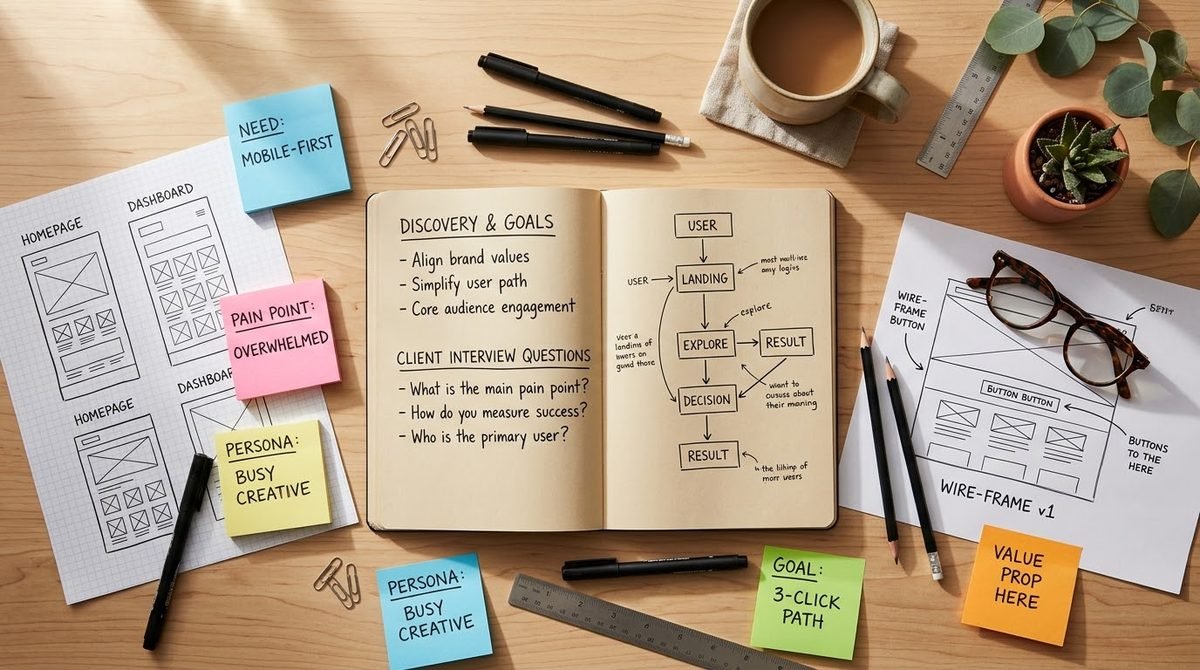
A good web designer will not open the first meeting with color palettes or a gallery of themes. They will ask about your business.
In our first meeting, we ask two questions before anything else. What are your goals for the website? And what hasn't worked in the past?
The second question matters more than most people think. Almost every business owner we meet has tried something before. Maybe a friend built the first site. Maybe it came bundled with a directory listing or a hosting plan. Maybe it looked fine but never brought in a single call. Knowing what fell flat tells us what to fix, and it keeps us from building the same thing again with a fresh coat of paint.
Your goals shape everything after that. A contractor who wants more estimate requests needs a different site than a boutique that wants online orders, or a consultant who mostly needs credibility when a referral looks them up. If a designer can't explain how the site will serve your specific goal, keep asking until they can.
What to expect: a real discovery conversation, questions about your customers and your past attempts, and a clear statement of what the site is supposed to do for you.
What "Custom" Should Actually Mean
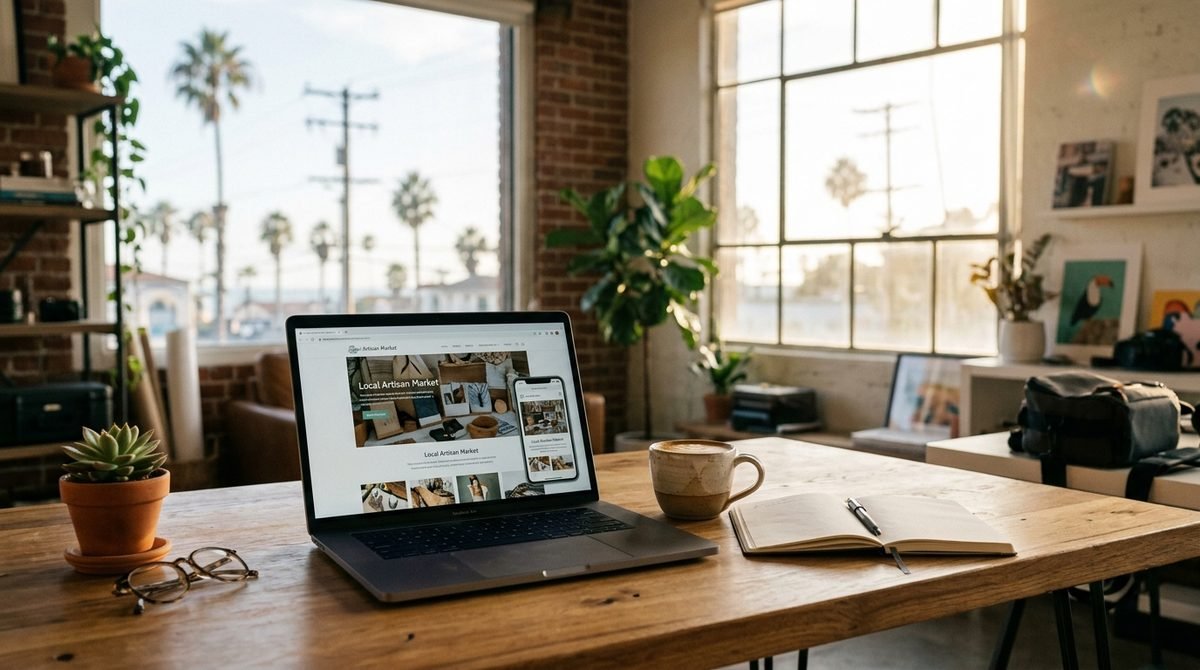
"Custom" gets used loosely. Some agencies call a site custom because they changed the logo and the colors on a theme everyone else is also using. That isn't what you are paying for.
A custom site should mean:
- The structure fits your business. Pages are organized around how your customers make decisions, not around how a template happens to be laid out.
- The copy is written for your audience. It speaks to the people you serve, in plain language, and answers the questions they ask before they call.
- The design supports the goal. Your phone number, your booking button, or your quote form sits where a visitor looks for it.
- The code is built for performance. We build on modern frameworks like Astro and React because they produce lean, fast pages without a pile of plugins slowing things down or opening security holes.
You don't need to understand the technical side to benefit from it. You just need to know the difference exists, so you can ask about it.
The Technical Basics You Shouldn't Have to Ask For
Some things should be included with any professional build, whether or not you think to mention them. If a proposal leaves these out, ask why.
Mobile first. Many of your visitors will find you on a phone, often while they are out in their car or standing in their kitchen. The site should be designed for that screen first, then scaled up for desktop.
Speed. Slow pages lose visitors. A fast site is partly about how it's built and partly about what goes on it, like properly sized images and no unnecessary scripts.
Security and hosting. You should know where your site lives, who maintains it, and what happens if something breaks.
Search basics built in. Page titles, descriptions, clean URLs, a sitemap, and structured data should be handled during the build, not sold to you later as an add-on.
Ownership. Ask who owns the domain, the content, and the site files. The answer should be you.
Analytics. You should be able to see who visits, where they come from, and what they do. A site you can't measure is a site you can't improve.
Built for Local Search in Ventura County
If most of your customers live within a short drive, your website should make that obvious to both people and search engines.
That means your service area is clear. If you serve Camarillo, Oxnard, and Simi Valley, the site should say so in plain language, in the places where it naturally belongs. It means your name, address, and phone number match what appears on your Google Business Profile and other listings. It means the content reflects the way local customers actually search, which is often a service plus a town name.
It also means writing like a local. Someone looking for help in Ventura County wants to know you understand their area. A page that could belong to a business in any city in the country doesn't build that trust.
A designer who works with local businesses should bring this thinking to the build without being asked. If they treat local search as an afterthought, your site will compete with everyone everywhere instead of the businesses down the street.
Launch Is Not the Finish Line
This is the part of the process that separates a website from a brochure.
Many businesses launch a site, celebrate, and then don't touch it for three years. The site slowly drifts out of date. The hours change, the services change, the staff photos are from a different decade. Visitors notice, and so does the internet.
That's why we include 12 months of continuous improvement with our builds. The reasoning is simple, and it's best said the way it was said to us:
"A static website does not help any business. Edits, changes, additions, signal to the internet and their potential audience that they're open for business, that they're looking for new business, that they're active."
Build A Better Website
Think about what a visitor sees when they land on a site with a 2021 promotion still on the homepage. They wonder if you're still open. Now think about a site with a recent project, a new service, or an updated photo. That site tells them you are here and ready to work.
What to expect from ongoing improvement:
- Regular updates to content, photos, and offers as your business changes
- Adjustments based on how visitors actually use the site
- New pages when you add a service or start serving a new area
- Fixes and small improvements without starting a new project every time
If a designer hands you the keys on launch day and disappears, you are left either learning to maintain it yourself or letting it go stale. Ask what happens in month two, month six, and month twelve.
Any Business Type, Built Around Yours
People often ask what kind of business we build for most. The honest answer is that there isn't one. Variety is what we specialize in.
We have built sites for service providers, retailers, professional practices, and product companies across the region. That range is useful to you. It means we don't force your business into a format that was designed for someone else's industry. A restaurant, a law office, and an e-commerce brand each need different things, and a designer who has built all three understands where those differences matter.
One build we're especially proud of is the website for Functional Fitness Products. It's a product business with its own audience and its own buying process, and the site was designed around how its customers shop. That's the point of custom work. The site fits the business, not the other way around.
So if you're wondering whether your type of business is a fit, it almost certainly is.
Timeline and Your Role in the Process
A custom site is a collaboration. Expect to be involved, especially early on.
Discovery. This is the goals conversation. You share what you do, who you serve, and what hasn't worked before.
Content and structure. You'll review the page plan and provide information only you have: your services, your story, photos of your work or team, and the details that make you different.
Design and build. You'll see the site take shape and give feedback. Good feedback is specific: "Visitors need to see our service area sooner" helps more than "make it pop."
Review and launch. You'll check everything before it goes live. Spelling, phone numbers, hours, links. Then it launches.
Improvement. This is where the ongoing work begins.
The most common cause of delays isn't design or code. It's waiting on content. If you can gather photos, service descriptions, and testimonials early, the whole project moves faster.
Questions to Ask Any Web Designer
Whether you work with us or someone else, these questions will tell you a lot:
- What do you need to know about my business before you start designing?
- Is this site built from a theme, or built for my business specifically?
- How will the site perform on a phone?
- What search basics are included in the build?
- Who owns the domain, the content, and the files?
- What happens after launch, and for how long?
- Can I see sites you've built for businesses different from mine?
Pay attention to how they answer. Clear, direct answers are a good sign. Vague answers about "packages" and "tiers" without any mention of your goals are not.
Our Take
Here is our honest opinion. The biggest mistake small businesses make with websites isn't picking the wrong designer or the wrong colors. It's treating the site as a one-time purchase.
A website is closer to a storefront than a business card. You wouldn't open a shop and never restock the shelves or change the window display. Your website works the same way. The businesses that win online in Ventura County aren't always the ones with the biggest budgets. They're the ones whose sites stay active, accurate, and focused on what their customers need.
So when you evaluate a web designer, weigh the plan for the year after launch as heavily as the launch itself.
Ready to Talk About Your Site?
If you want a site built around your goals, with a full year of improvement after launch, take a look at how we approach custom website development at Build A Better Website and start the conversation. We'll begin with the two questions that matter most: what you want your website to do, and what hasn't worked before.
Frequently Asked Questions
How long does it take to build a custom website for a small business? It depends on the size of the site and how quickly content comes together. The biggest factor is usually gathering photos, service details, and testimonials. If you have those ready early, the project moves much faster.
Do I need to know anything technical to work with a web designer? No. You need to know your business, your customers, and your goals. A good designer handles the technical decisions and explains them in plain language when they affect you.
Why does a website need updates after it launches? A site that never changes tells visitors and search engines that nothing is happening. Regular edits and additions show that you're open, active, and looking for new business. That's why our builds include 12 months of continuous improvement.
Will a custom website help me show up in local searches in Ventura County? A well-built site gives you a strong foundation, with clear service areas, consistent business details, and search basics handled during the build. Local visibility also depends on your Google Business Profile, reviews, and keeping the site active over time.
What kinds of businesses do you build websites for? All kinds. We've built more than 111 websites, and there's no single industry we focus on. Variety is what we specialize in, so whatever your business type, the site will be built around how your customers make decisions.